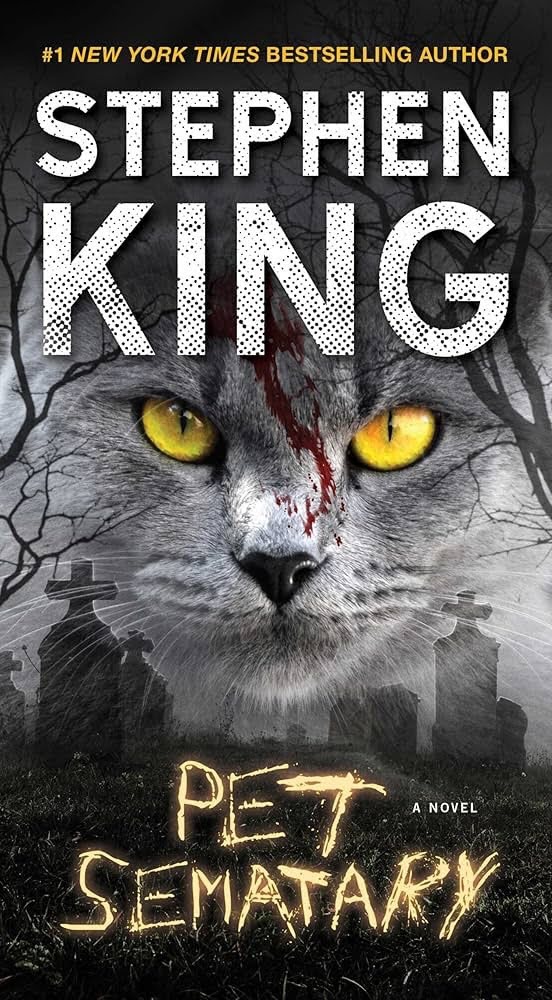
Pet Sematary by Stephen King
560 Pages, Published In 1983
⭐⭐⭐⭐⭐
A young family moves from Chicago to a small town in Maine, settling into a home shadowed by a small cemetery on the hill behind it—where generations of locals have buried their beloved pets. The town and its burial ground carry a long, unsettling history, gradually tightening its grip on the family. Fast-paced. Action-packed. An ending leaving readers to extend the horror in their own minds. Dark. Horrific. Dramatic. “Sometimes, dead is better.” And it proves true. One of King’s scariest!
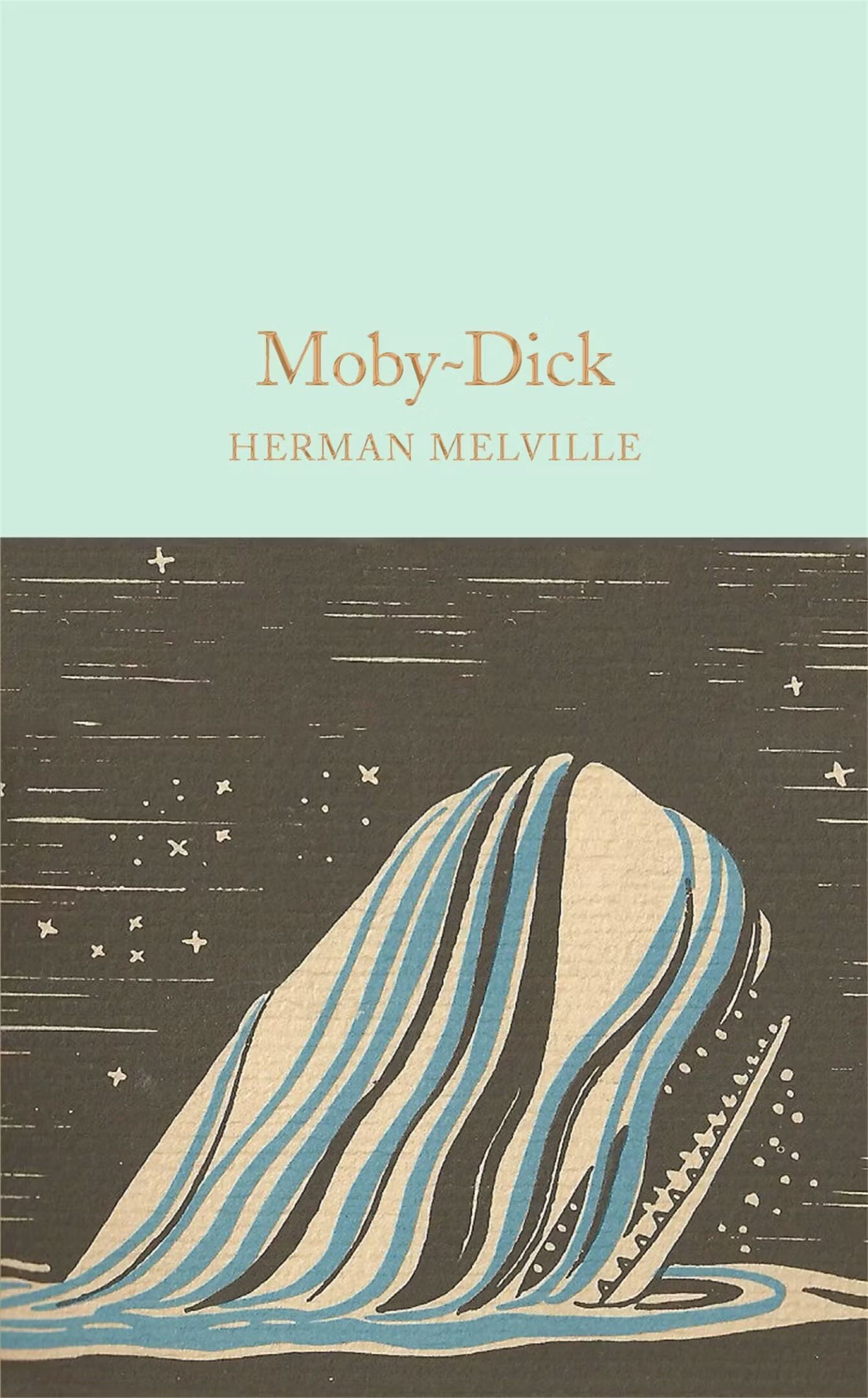
Moby-Dick or, The Whale by Herman Melville
720 Pages, Published In 1851
⭐⭐⭐⭐⭐
Moby Dick (1851) is an ageless classic about the relentless hunt for the elusive white whale. At 751 pages, it reads like an encyclopedia of whales: types of whales, the history of whaling, whale anatomy from jaw to sprout hole to tail, plus the laws and lore of the whaling world. The middle section moves slowly, but the action picks up toward the end, and the finale is unexpected and dramatic. It’s a novel of brutality and beauty, of obsession and the sheer tenacity of its characters.
I Who Have Never Known Men by Jacqueline Harpman
184 Pages, Published In 1995
⭐⭐⭐⭐⭐
I Who Have Never Known Men is a short, haunting dystopian novel built on a chilling premise: one child and 39 women escape a mysterious underground cell and struggle to survive in a empty, desolate world. The child, who has never known any life before captivity, contrasts starkly with the other 39 women, who carry memories of the world they lost. Dark and hopeless in tone, the novel lingers on a profound existential question: is the purpose of life to live, or merely to postpone death?
The Ministry of Time by Kaliane Bradley
339 Pages, Published In 2024
⭐⭐⭐⭐
The Ministry of Time is a captivating time-travel novel built on a brilliant premise: a secret UK government agency rescues historical figures from centuries past and brings them into the modern world. As these figures struggle to adapt to technology, culture, and shifting values, we reflect on what has changed—and what remains timeless—in human nature. Although the ending grows a little convoluted with overlapping timelines, it remains a thought-provoking and compelling read.
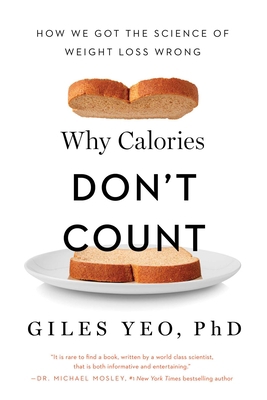
Why Calories Don't Count by Giles Yeo
368 Pages, Published In 2021
⭐⭐⭐⭐
Why Calories Don’t Count challenges the way we think about food labels, dieting, and weight loss. The calorie counts printed on packaging are misleading because they are not the energy our bodies actually absorb and use. While diets may differ, they operate on the same principle: energy balance—burning more than we consume. Advices: Eat more protein and fiber, avoid excessive free sugars, and minimize reliance on ultra-processed foods. An insightful book written with clarity and humor.
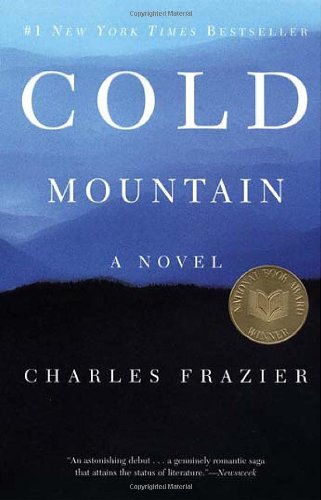
Cold Mountain by Charles Frazier
449 Pages, Published In 1997
⭐⭐⭐⭐⭐
Cold Mountain is a Civil War novel that, at its heart, is a love story—following a Confederate soldier’s long, perilous walk home to his prewar sweetheart. Told through two parallel timelines, it captures the harrowing nature of war with both tenderness and beauty. The narrative unfolds through stories within stories, slow-paced but never dull, with the dual timelines woven seamlessly. The ending is both unexpected and heartbreaking, leaving a lasting impression of the true cost of war.
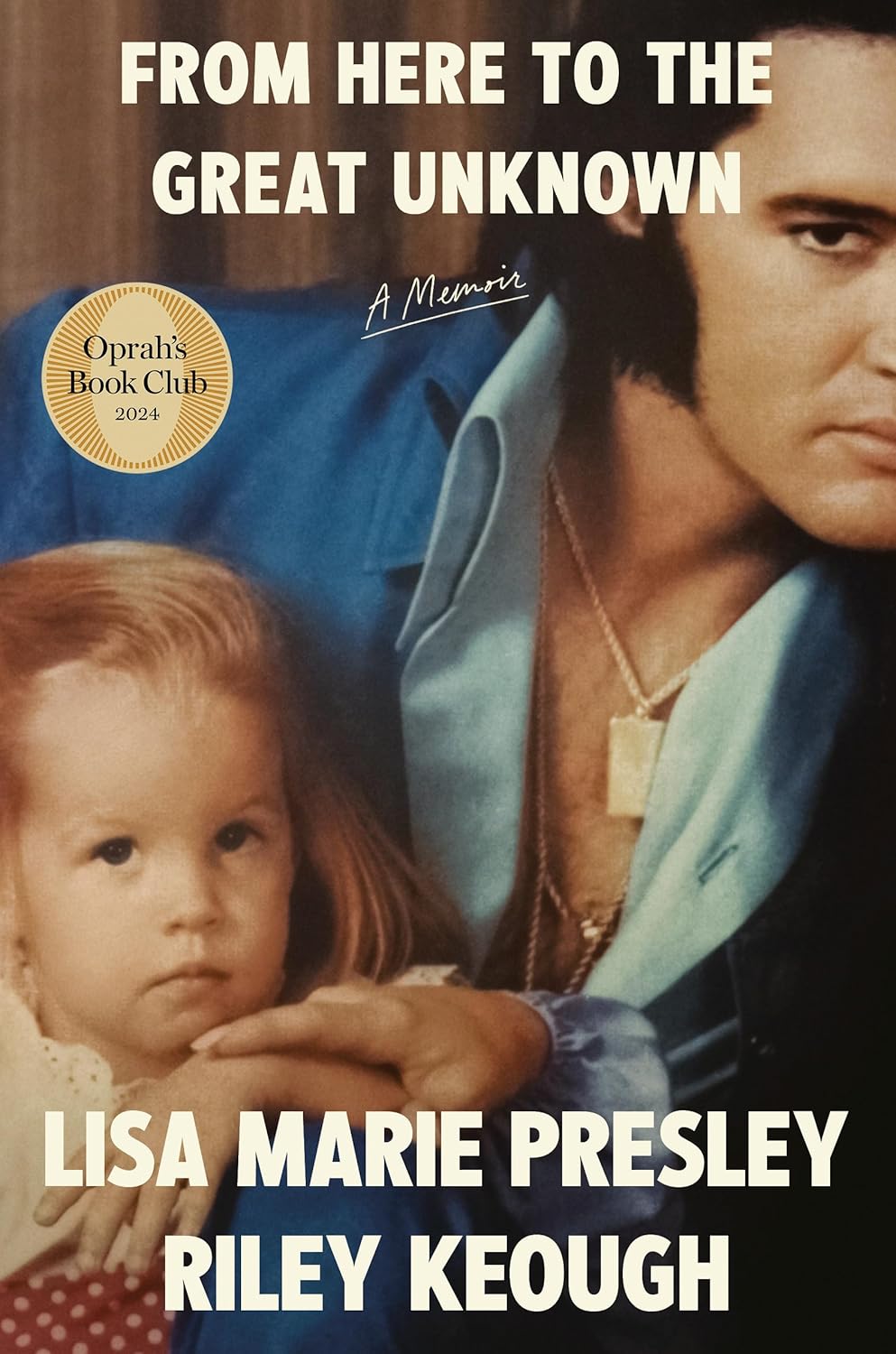
From Here to the Great Unknown by Lisa Marie Presley and Riley Keough
304 Pages, Published In 2024
⭐⭐⭐⭐
From Here to the Great Unknown is a deeply intimate memoir co-written by Lisa Marie Presley and completed by her daughter, Riley Keough, after Lisa Marie’s sudden death in 2023. It offers a rare look into the life of Elvis Presley’s only child—from her childhood at Graceland, through the loss of her father, to an adulthood shaped by complex relationships (including with Michael Jackson), struggles with addiction, and the grief of losing her son Benjamin to suicide. Raw, Tragical, Sad.
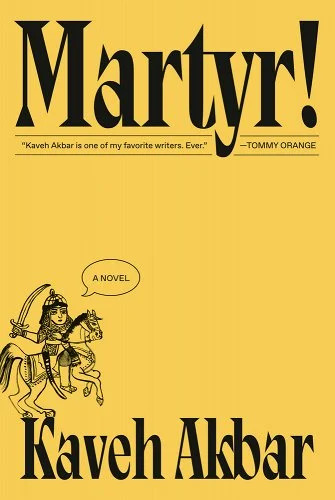
Martyr! by Kaveh Akbar
331 Pages, Published In 2024
⭐⭐⭐⭐⭐
Martyr! by Kaveh Akbar is a brilliant and moving story of a young, first-generation Iranian American grappling with grief, identity, and the search for meaning after his mother’s death when the US shot down a commercial airliner for a war jet. It’s about exploring the meaning of life—or rather, the meaning of death (or are they different?)—while navigating loss, addiction, recovery, friendship and love. Loved both the plot and the characters, and stunned by the unexpected twist at the end.
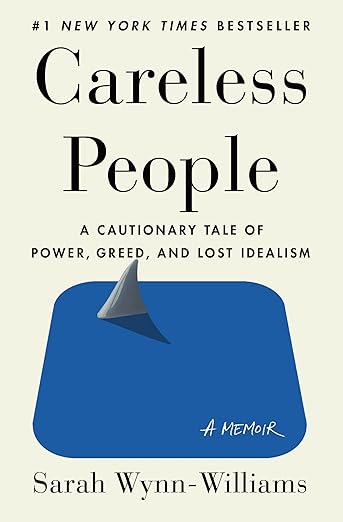
Careless People by Sarah Wynn-Williams
382 Pages, Published In 2025
⭐⭐⭐⭐
The book offers an insider’s account of Facebook (Meta) through the eyes of a former executive, revealing how the tech giant operates internally and globally. It shows how Zuckerberg and Sandberg built and ran the company, the role in Trump’s election, relationships with world leaders, and how they treat its employees—exposing power, greed, hypocrisy and carelessness. No need to agree with all the conclusions, but her perspective and insights are invaluable for understanding today’s world.
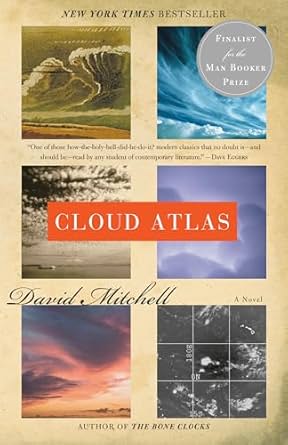
Cloud Atlas by David Mitchell
509 Pages, Published In 2004
⭐⭐⭐⭐⭐
A brilliant, genre-defying novel composed of six interwoven stories spanning time and space—from 19th-century colonial New Zealand to 1900s England, a dystopian Korea, and a post-apocalyptic world in Hawaii. The stories are interlinked, with characters are reincarnations across timelines. The structure is mind-blowing: the first five narratives are interrupted mid-sentence at pivotal moments, followed by the sixth; then it unfolds in reverse, completing each tale in a mirror: 12345654321.
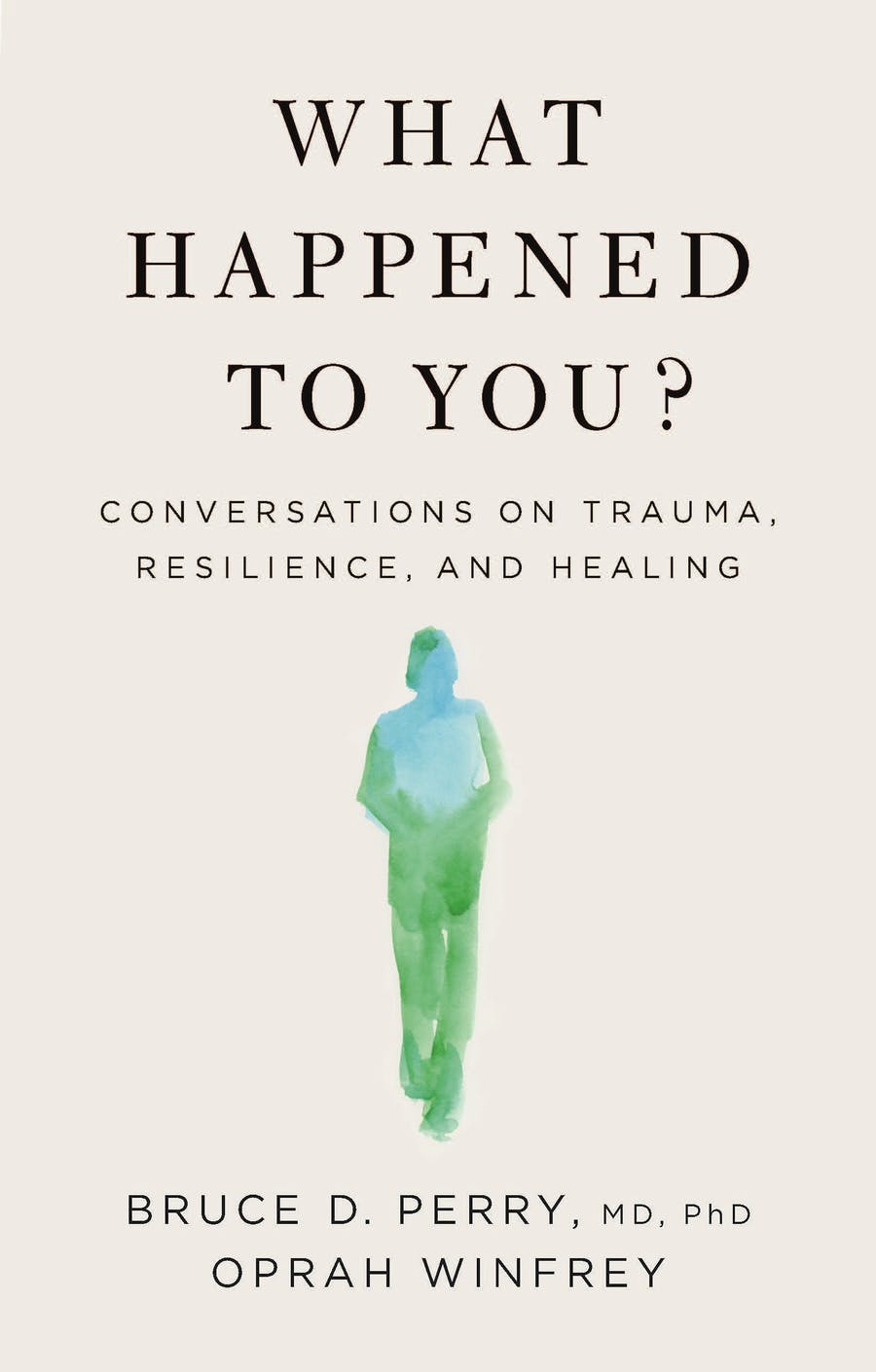
What Happened to You? by Bruce D. Perry, Oprah Winfrey
304 Pages, Published In 2021
⭐⭐⭐⭐
The book offers a profound shift in perspective—from asking “What’s wrong with you?” to “What happened to you?” The brain is modeled as an upside-down triangle, with the brainstem (reptilian brain) at the base, responsible for survival and regulation, and the cortex (rational brain) at the top, handling reasoning and decision-making. Data is processed from the bottom up—meaning trauma stored in the lower layers triggers reactions before the rational brain. The healing is through community.
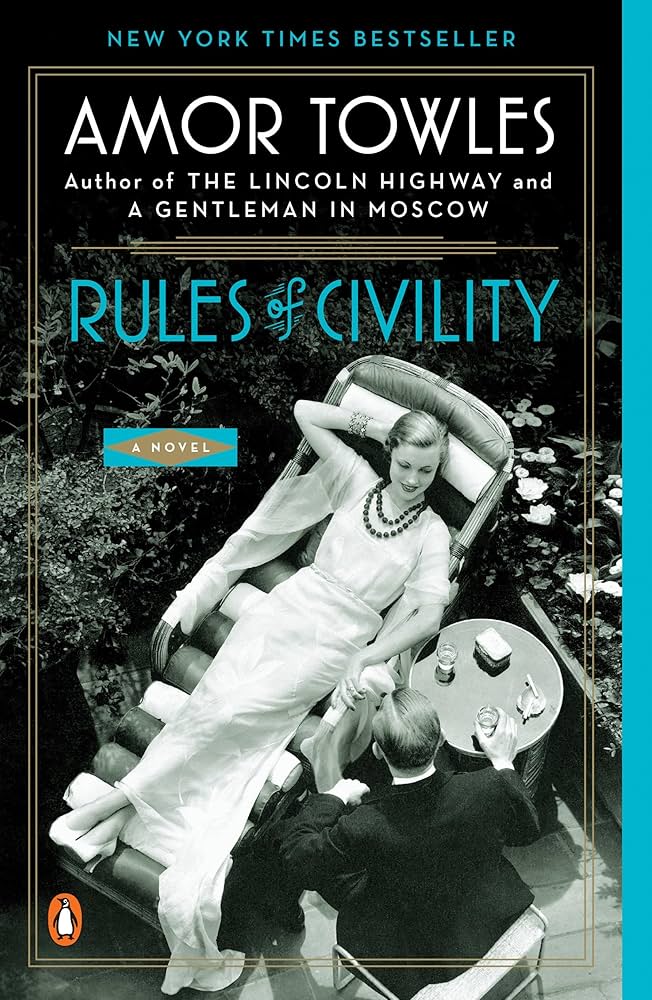
Rules of Civility by Amor Towles
335 Pages, Published In 2011
⭐⭐⭐⭐⭐
Towles’ 2011 debut is an unhurried, beautifully written stroll through 1930s New York high society. It follows a young woman and her friends across decades, tracing the chain of events in a world of wealth, ambition, class, betrayal, choice, love and friendship. The plot can feel slow at times, but it’s elegantly told. Inspired from George Washington’s Rules of Civility, especially the final rule: “Labor to keep alive in your breast that little spark of celestial fire called conscience.”