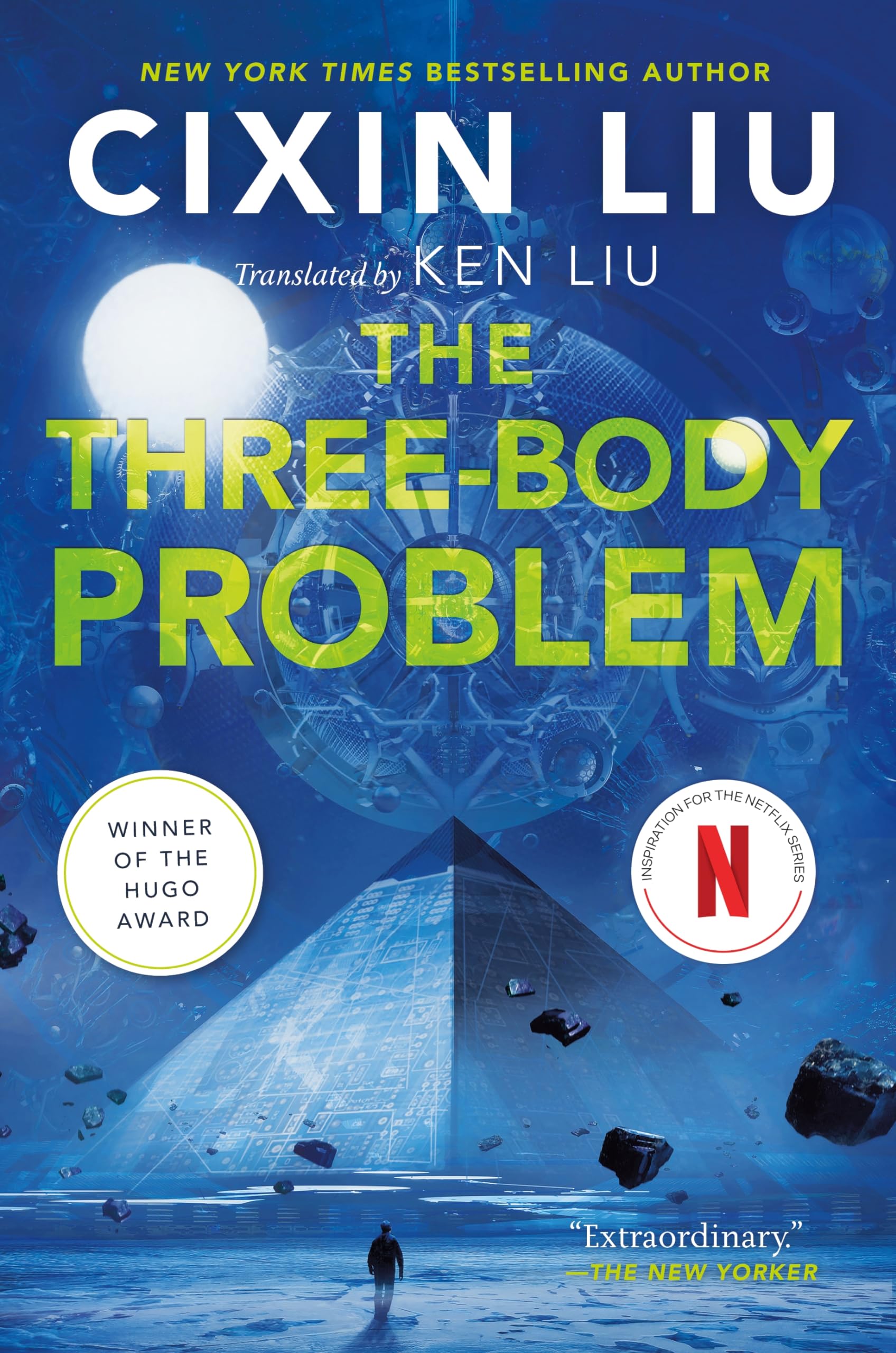
The Three-Body Problem by Liu Cixin
472 Pages, Published In 2008
⭐⭐⭐⭐⭐
The Three-Body Problem is a hard science fiction by Chinese author Liu Cixin, with an English translation by Ken Liu that won the 2015 Hugo Award for Best Novel. Set against the backdrop of China’s Cultural Revolution, the story weaves together a mysterious virtual reality game, a scientific conspiracy, and the looming threat of alien contact and invasion. With its immense scope and intricate plotting, it blends suspense, murder, and mind-bending science. A must-read for sci-fi lovers.
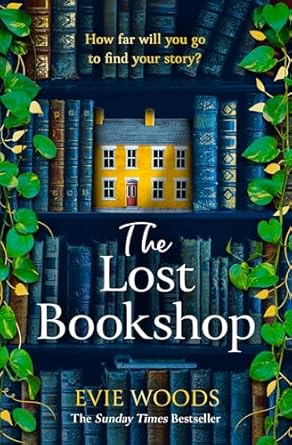
The Lost Bookshop by Evie Woods
432 Pages, Published In 2023
⭐⭐⭐⭐
Told in elegant first-person prose through three distinct characters—two set in the present day and one in 1920s Dublin, The Lost Bookshop shifts between timelines and perspectives, all connected by a magical bookshop and the search for a lost manuscript. Blending historical fiction with a bit magical realism, it’s a beautifully written story about women’s struggles, love, loss, and the power of literature to transcend time. The constant shifting timelines and POVs can be a bit confusing.
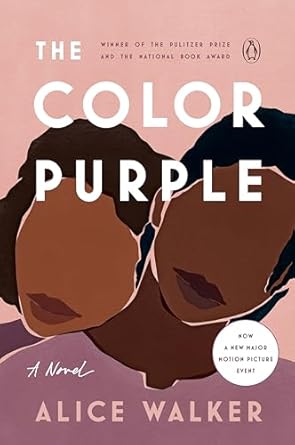
The Color Purple by Alice Walker
287 Pages, Published In 1982
⭐⭐⭐⭐⭐
Told through a series of letters to God and between two sisters, separated across Georgia and West Africa over 30 years in the early 20th century, the book paints a rich portrayal of Black women—their suffering, love, resilience, and growth. Sad and beautiful, also offering an intimate vision of God: “I think it pisses God off if you walk by the color purple in a field somewhere and don’t notice it.” Winner of Pulitzer and National Book Awards, a masterpiece of modern American literature.
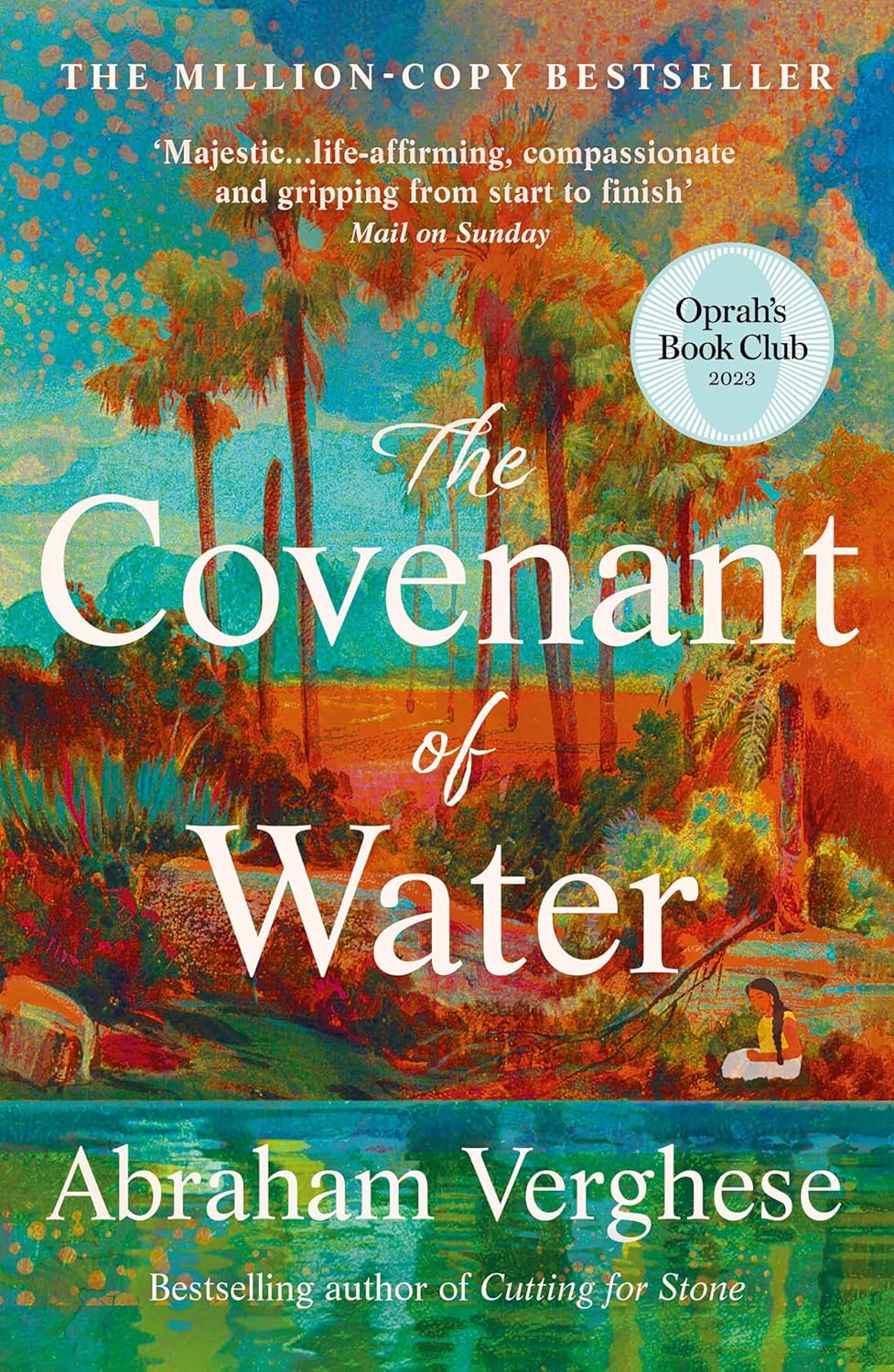
The Covenant of Water by Abraham Verghese
724 Pages, Published In 2023
⭐⭐⭐⭐⭐
An epic novel that spans three generations, multiple families, and two continents across 724 pages. Set against South India’s evolving landscape—from colonial rule to independence and war (1900-1977), it is a sweeping story of enduring love, generational trauma, and the healing power of compassion. Water connects the characters across time and space. Written by a medical surgeon, the novel brings a depth of medical insight, exploring acoustic neuroma and leprosy that afflict generations.
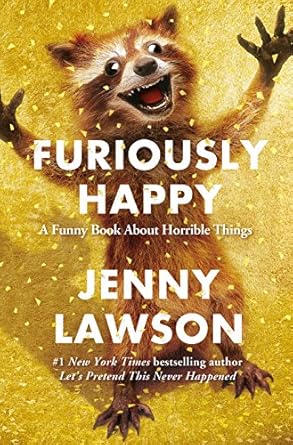
Furiously Happy by Jenny Lawson
329 Pages, Published In 2015
⭐⭐⭐⭐
Jenny Lawson’s Furiously Happy isn’t merely a humor memoir; it’s a defiant celebration of joy found amidst the chaos of mental illness. This “collection of bizarre essays and confused thoughts” examines her experience of deep depression and other mental illnesses, confronting it with humor and resilience. Shouldn’t we all strive for “furiously happy,” regardless of our internal battles? It’s a raw, hilarious, and profoundly moving reminder that even within darkness, joy remains possible.
The Second Mountain by David Brooks
384 Pages, Published In 2019
⭐⭐⭐⭐
The Second Mountain by David Brooks is a self-help book that explores the meaning of life through the metaphor of two mountains with a valley in between. The first mountain represents success, ambition, and personal achievement, yet often leaves one feeling unfulfilled in the valley. The second mountain embodies a more meaningful life built on four key commitments—Vocation, Marriage, Faith, and Community—shifting from hyper-individualism to a life of deeper connection to others.
The Vegetarian by Han Kang
188 Pages, Published In 2007
⭐⭐⭐⭐
Winner of the 2016 Man Booker International Prize, The Vegetarian is a haunting psychological novel about personal rebellion, transformation, and the consequences of nonconformity. Each of its three chapters is told from the perspective of a family member around the female protagonist. Captivating opening line: “Before my wife turned vegetarian, I thought of her as completely unremarkable in every way.” Loved the first two chapters, but the last one felt a little dull and predictable.
Evicted: Poverty and Profit in the American City by Matthew Desmond
418 Pages, Published In 2016
⭐⭐⭐⭐⭐
In his Pulitzer Prize-winning Evicted, Desmond follows 8 families in Milwaukee as they struggle to keep a roof over their heads, revealing how eviction is not just a symptom of poverty but also a cause—not just an family misfortune but a systemic issue. “Without stable shelter, everything else falls apart.” Eviction is not just about losing a home—it disrupts employment, education, and health, trapping families in a vicious cycle of instability & hardship. A nonfiction reads like a novel.
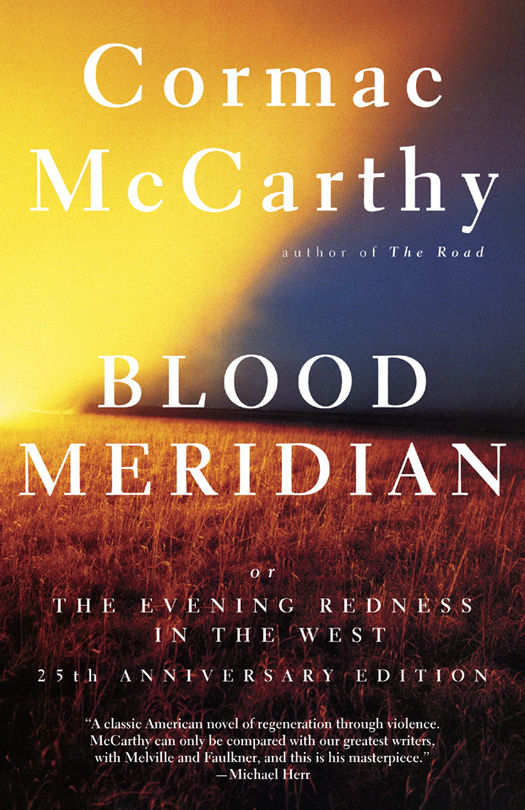
Blood Meridian by Cormac McCarthy
351 Pages, Published In 1985
⭐⭐⭐⭐⭐
Often hailed as one of the greatest American novels ever written, Cormac McCarthy’s Blood Meridian (1985) is an epic historical novel set along the Texas-Mexico border in the 1850s. It follows a 14-year-old boy, the Kid, who flees Tennessee and joins the infamous Glanton Gang—a ruthless band of scalp hunters who massacre Indigenous people and anyone in their path. Brutal, violent, dark, and deeply philosophical, Blood Meridian stands as a towering masterpiece of the American Western novel.
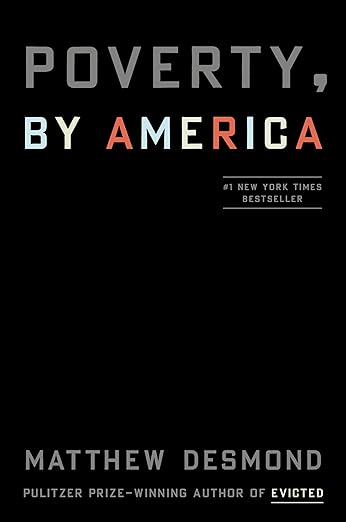
Poverty, by America by Matthew Desmond
304 Pages, Published In 2023
⭐⭐⭐⭐⭐
“This is who we are: the richest country on earth, with more poverty than any other advanced democracy.” Following his Pulitzer Prize-winning Evicted, in Poverty by America, Desmond explores why poverty persists in the US despite its vast wealth. Examining how American society exploits the poor, subsidizes the affluent, and concentrates wealth in private hands, he argues that Poverty is the result of deliberate policies and choices that benefit the wealthy while keeping the poor in place.

Taiwan Travelogue by Yáng Shuāng-zǐ
320 Pages, Published In 2020
⭐⭐⭐⭐⭐
Set in 1938, during Taiwan’s period under Japanese colonial rule, the story follows a Japanese novelist journaling his travels across the island, accompanied by a knowledgeable local translator. Each chapter is named after a local dish, blending culinary exploration with the unfolding events and the intricate interactions among locals, colonists, and Taiwan-born Japanese. Ultimately, it is a tale of friendship and love, only under the shadow of Japan’s Southern Expansion policy pre-WWII.
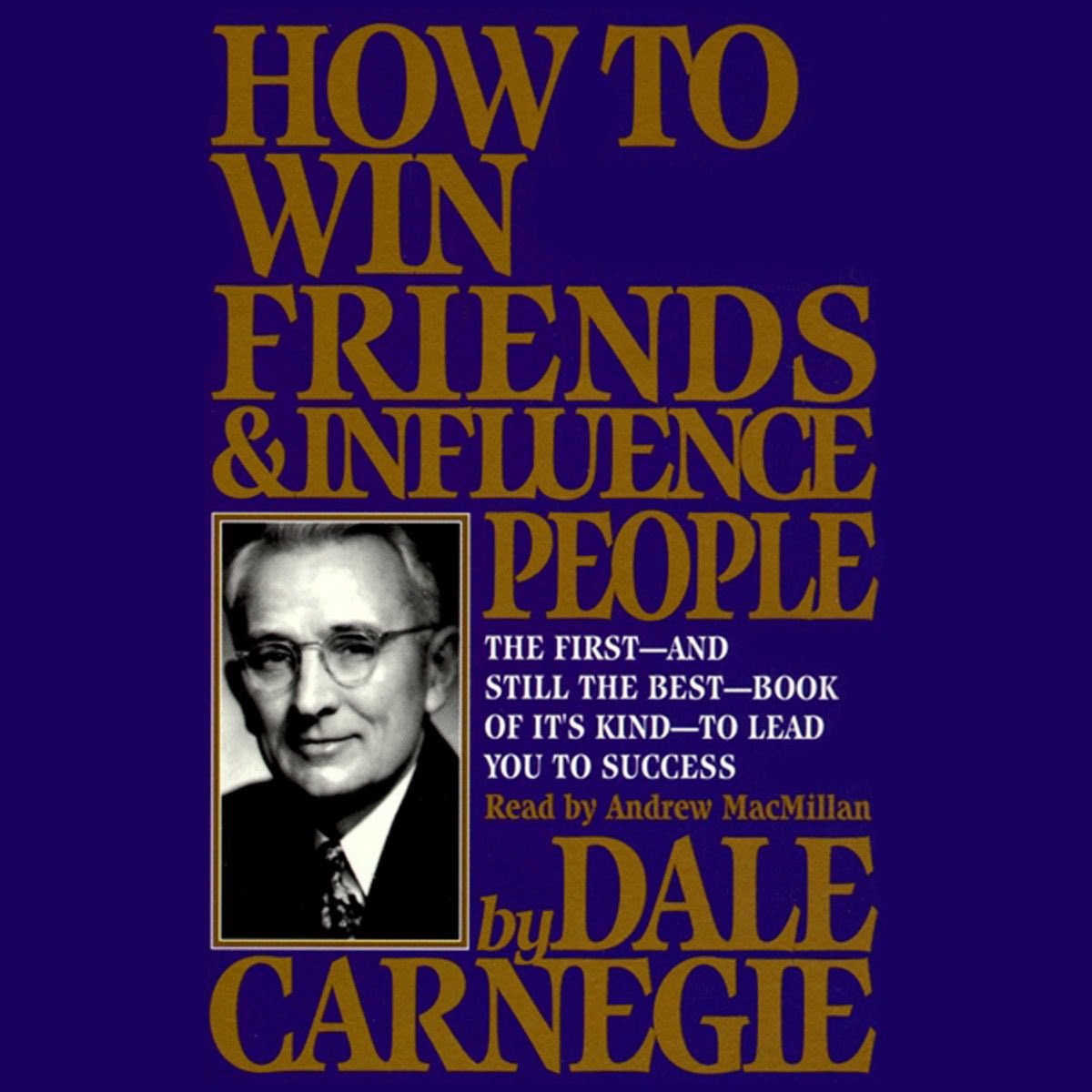
How to Win Friends & Influence People by Dale Carnegie
288 Pages, Published In 1936
⭐⭐⭐⭐⭐
First published in 1936, How to Win Friends and Influence People by Dale Carnegie is a timeless self-help book that offers principles and practical advice on dealing with people: - Don’t criticize, condemn, or complain - Give honest and sincere appreciation - Become genuinely interested in other people - Make the other person feel important – and do it sincerely - Remember a person’s name - Be a good listener - Smile. Warren Buffett took the Dale Carnegie course when he was 20 years old.